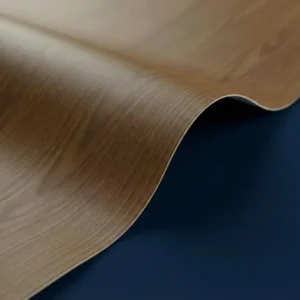
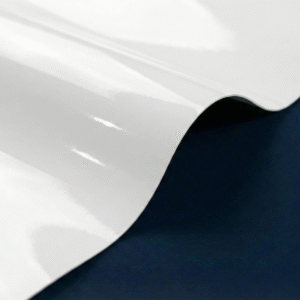
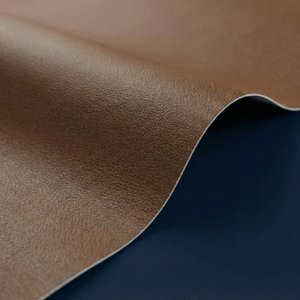
Are there additional functional materials available?
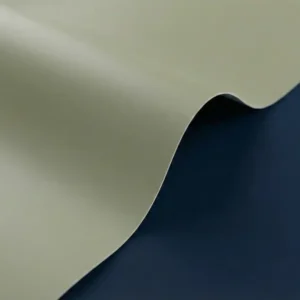
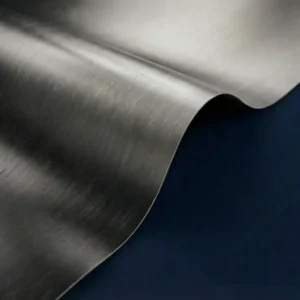
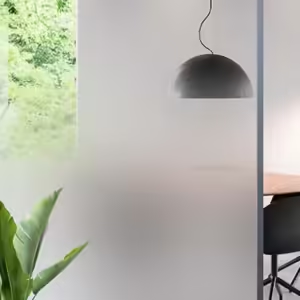
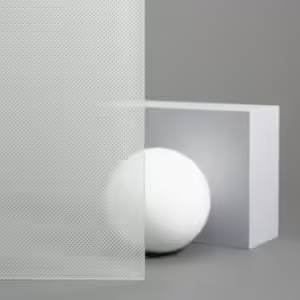
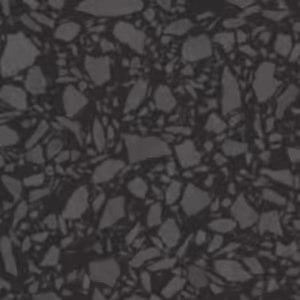
Yes, there are whiteboard finishes & abrasion-resistant series.

Yes, there are whiteboard finishes & abrasion-resistant series.
Absolutely! Just replace the damaged section with a matching piece, or swap out the whole panel if needed.
Anyone wanting to give their space a stylish update without the hassle and expense of traditional renovations.
It’s a cost-effective way to get the look of high-end materials and stay on trend, enhancing the aesthetic and experience of your space.
It offers more patterns, lower costs, and minimal disruption during installation. Plus, it’s easy to repair if it gets damaged.
It’s popular in offices, hotels, schools, hospitals, and retail spaces – anywhere that needs a fresh, stylish look.
You can buy it directly from our website, or contact us directly at info@footprintcreative.com.au.
The price varies depending on the pattern. Basic designs are cheaper, while high-gloss or special effects patterns cost more. Contact us at info@footprintcreative.com.au for more information.
When ordering from our website, we have a minimum of 5 Lineal Metres upto 50m (Full Roll Length).
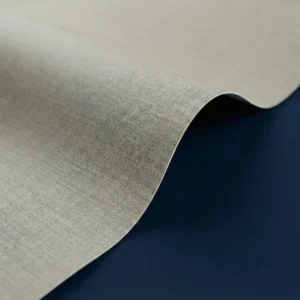
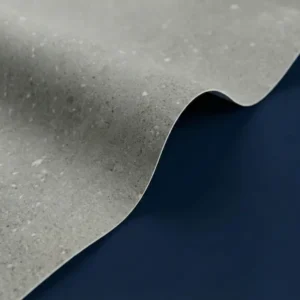
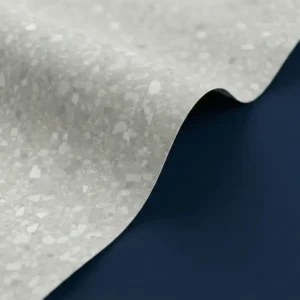
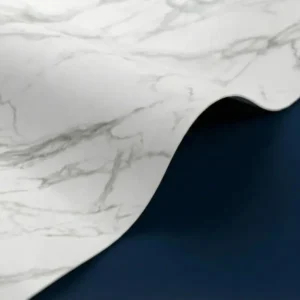
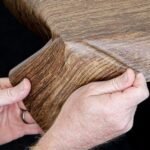
Architectural vinyl is a versatile, adhesive-backed film that can mimic the look of wood, stone, metal, and more.
You can place an order direct on our website (www.footprintcreative.com.au) or contact us at info@footprintcreative.com.au and a team member can assist you.
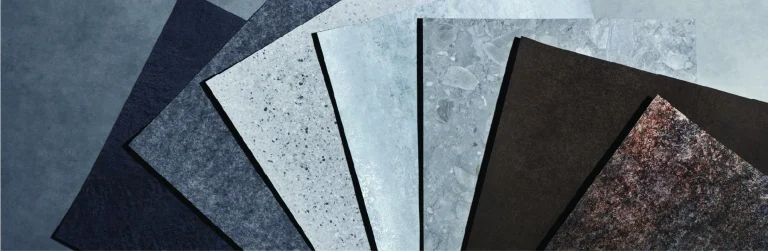
There are over 1,000 patterns to choose from for interiors and over 100 for exteriors. It’s like having a designer’s dream palette at your fingertips.
In most cases we are able to send out samples, we just kindly ask for you to cover the shipping costs.
You can use it on doors, walls, lifts, ceilings, and pretty much anywhere you can think of.
The standard rolls are 1220 mm x 50 m, but some specialty finishes come in 1220 mm x 25 m rolls.
It adheres beautifully to smooth, non-porous surfaces like metal, wood, glass, and laminates. Plus, it can wrap around curves with a bit of heat.
Yes, there are versions specifically designed for both indoor and outdoor use, handling everything from indoor wear and tear to outdoor weather and sunlight.
For indoor use, it can last up to 12 years. Outdoor versions can endure 7 to 16 years, depending on the climate and pattern.
Just clean it with mild detergent and water using a soft cloth. It’s low maintenance and keeps looking great with minimal effort.
Yes, with proper adhesive primer and sealing, it’s suitable for bathrooms and similar areas.
It reduces landfill waste by repurposing surfaces, lowering the carbon footprint of interior design projects.
Our vinyl rolls are 1220mm wide, with lengths ranging from 5 meters for domestic orders to 20 meters for international, up to a maximum of 50 meters. Samples are available upon request. Contact us for pricing and options.
While most vinyls are not customizable, we offer printing on Hi-tack vinyls for personalized designs. Not all vinyls are suitable for printing.
It adheres to smooth, clean surfaces free from dust or grease, including walls, ceilings, doors, and furniture.
With proper maintenance, it lasts 7-10 years, depending on application and care.
Yes, it can generally be removed without damage, especially with the use of heat for loosening.